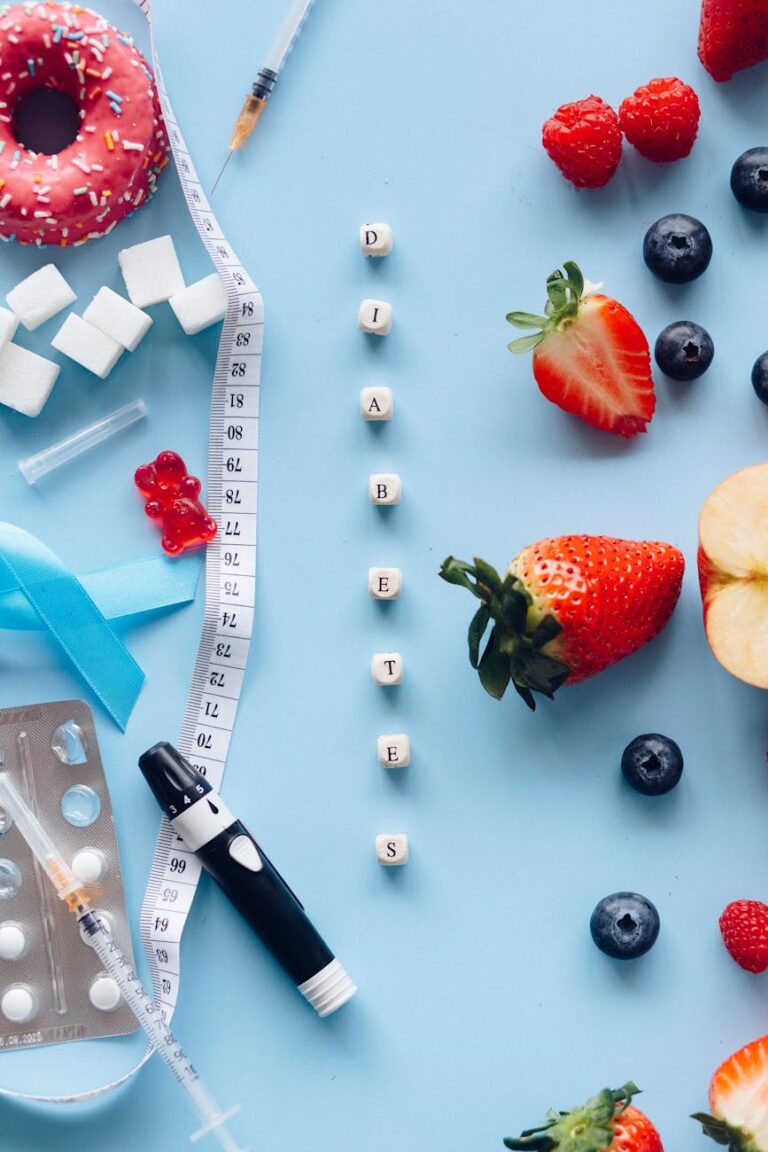
If you live with diabetes, late-night hunger can feel like a blood sugar gamble. Go to bed hungry and you may sleep poorly; grab the wrong snack and you might wake up with higher glucose. The good news: a small, balanced bedtime snack can help some people avoid overnight dips and reduce morning spikes. Here’s how to choose bedtime snacks that work with your diabetes plan, plus 12 practical options you can start tonight.
Do people with diabetes need a bedtime snack?
Not everyone does. Some people keep stable glucose overnight without eating before bed, especially if dinner was balanced and medications are well matched. Others may benefit from a snack, particularly if they:
- Use insulin or medications that can cause low blood sugar overnight
- Exercise in the evening
- Eat dinner early and feel hungry before sleep
- Notice low readings overnight or high fasting glucose in the morning
Your glucose data (meter or CGM) can help you decide whether a bedtime snack is useful.
What makes a good bedtime snack for diabetes?
The best options are small, satisfying, and slow to digest. A helpful formula is:
- Protein to support fullness
- Fiber-rich carbs in modest portions
- Healthy fat for slower absorption
Aim for roughly 10–20 grams of carbohydrate with protein, unless your care team recommends otherwise.
Quick bedtime snack rules
- Keep portions modest (usually 100–200 calories)
- Avoid large servings of sweets, chips, or refined grains
- Skip sugary drinks at night
- Eat 1–2 hours before bed when possible
12 smart bedtime snacks for people with diabetes
1) Greek yogurt + chia seeds
Choose plain Greek yogurt and stir in 1 teaspoon chia. High protein plus fiber can help steady overnight glucose.
2) Apple slices + peanut butter
Pair half a small apple with 1 tablespoon peanut butter for a balanced carb-fat-protein combo.
3) Cottage cheese + berries
Try 1/2 cup cottage cheese with a small spoonful of berries for a lower-carb, high-protein option.
4) Whole-grain crackers + cheese
Use 4–6 small whole-grain crackers and one ounce of cheese to keep portions controlled.
5) Hard-boiled egg + a few whole-grain crackers
An egg adds protein; crackers provide a small amount of carbohydrate if needed.
6) Small handful of nuts + a few berries
Almonds, walnuts, or pistachios offer healthy fats; berries add fiber with less sugar than many fruits.
7) Hummus + sliced cucumbers and carrots
A fiber-rich, savory snack that’s easy to portion and lower in added sugar.
8) Avocado on half a slice of whole-grain toast
Healthy fats and fiber make this a filling choice when you want something substantial.
9) Edamame (lightly salted)
High in plant protein and fiber, edamame works well for people who prefer a non-dairy option.
10) Turkey roll-ups
Wrap lean turkey slices around cucumber sticks or a thin cheese stick for a low-carb, protein-focused bite.
11) Unsweetened soy milk or dairy milk + cinnamon
A small glass can be enough to ease hunger, especially after evening activity.
12) Chia pudding (low sugar)
Make with unsweetened milk and chia seeds, then portion into small containers for grab-and-go nights.
Snacks to limit before bed
- Cookies, pastries, candy, or ice cream in large portions
- Sweetened cereal or granola
- Large bowls of fruit without protein
- Fruit juice, soda, sweet tea, or energy drinks
These choices can raise glucose quickly and may lead to higher fasting numbers the next morning.
How to test whether your bedtime snack is working
Track your bedtime reading, overnight trend (if using CGM), and fasting glucose in the morning for several days. If numbers improve and you sleep better, your snack plan may be a good fit. If fasting glucose rises, reduce carb portion or switch to a higher-protein option.
Simple 3-night experiment
- Night 1: No snack (if safe for you)
- Night 2: Protein-only snack
- Night 3: Balanced snack with 10–15g carbs
Compare morning readings and keep the pattern that gives you the steadiest results.
When to talk with your diabetes care team
If you frequently wake up low, see fasting readings above your target, or feel unsure about medication timing, ask your clinician or diabetes educator for a personalized bedtime strategy. Small adjustments to medication, dinner timing, or snack composition can make a big difference.
Bottom line
A smart bedtime snack for diabetes is small, balanced, and tailored to your glucose patterns. Start with protein plus fiber, keep carbs modest, and use your data to fine-tune. With the right evening routine, you can go to sleep satisfied and wake up with steadier blood sugar.