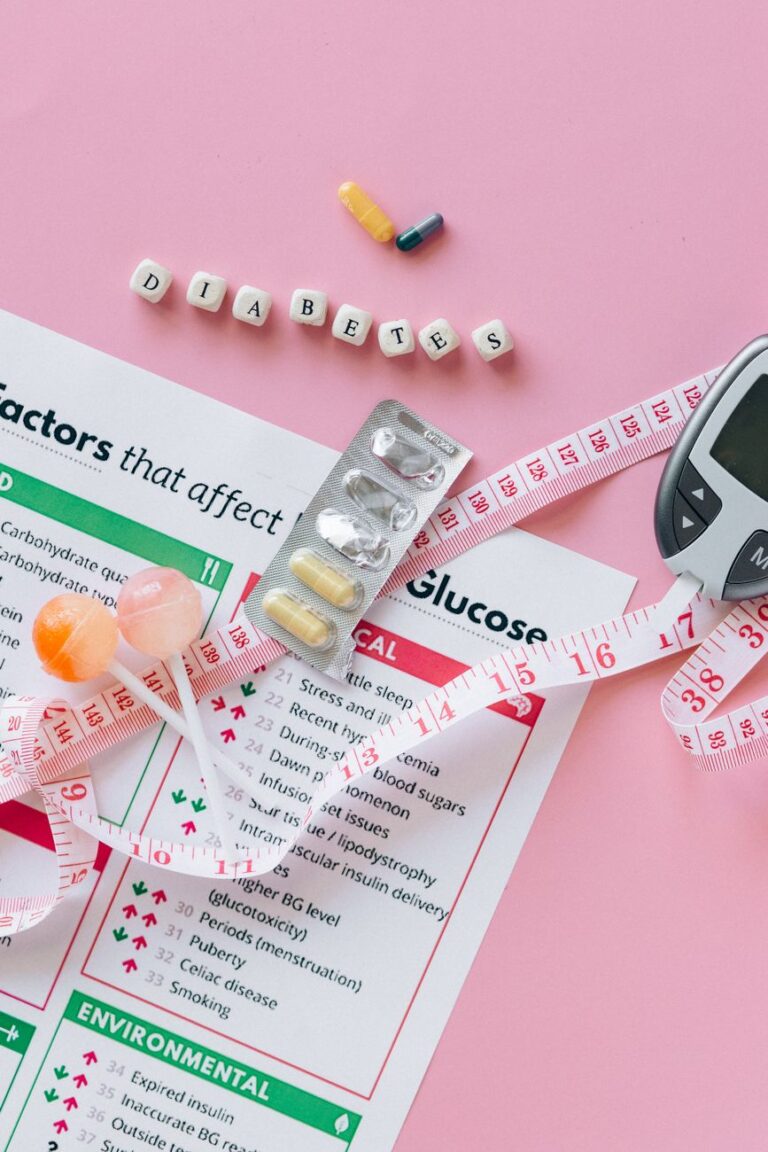
Why this diabetes news matters now
Diabetes technology is moving fast in 2026, and one of the biggest storylines is broader access to continuous glucose monitor (CGM) tools outside traditional specialist settings. Recent FDA-related updates and market launches are focused on making glucose data easier to access for more adults in primary care, telehealth, and community pharmacies. For people living with type 2 diabetes in the U.S., this trend could change how everyday glucose patterns are discussed and managed with a care team.

For years, many patients have relied on occasional fingerstick checks or quarterly lab follow-ups. Newer sensor options are pushing real-time trend visibility into routine life, including meals, activity, and sleep. That does not replace clinical judgment, but it can improve conversations during appointments by giving more context than a single reading taken in clinic.
Key updates people with diabetes should watch
-
Primary-care adoption: More family medicine and internal medicine clinics are integrating CGM workflows, not just endocrinology offices.
-
Pharmacy support: Retail pharmacies are expanding diabetes device education, helping patients understand sensor setup and app basics.
-
Digital coaching tools: More platforms now pair glucose trends with nutrition and activity logs to support behavior-focused coaching.
-
Insurance policy shifts: Coverage criteria continue to evolve, so eligibility and out-of-pocket costs can differ widely by plan.
Even with better tools, interpretation still matters. Trend arrows, time-in-range charts, and app alerts can be useful, but they can also feel overwhelming without personalized guidance. A number on a graph does not automatically explain the “why” behind a pattern. Hydration, illness, stress, medication timing, and meal composition can all influence readings.
If you are interested in trying a new glucose device, bring specific questions to your next visit: What data should I track? How often should we review it? Which alerts are meaningful for me? If you use insulin or other glucose-lowering medications, ask before changing food, activity, or dosing routines based on sensor data. Consult a clinician, especially if you are on glucose-lowering meds.
Bottom line: diabetes tech access is expanding, and that is meaningful news for patient engagement and shared decision-making.