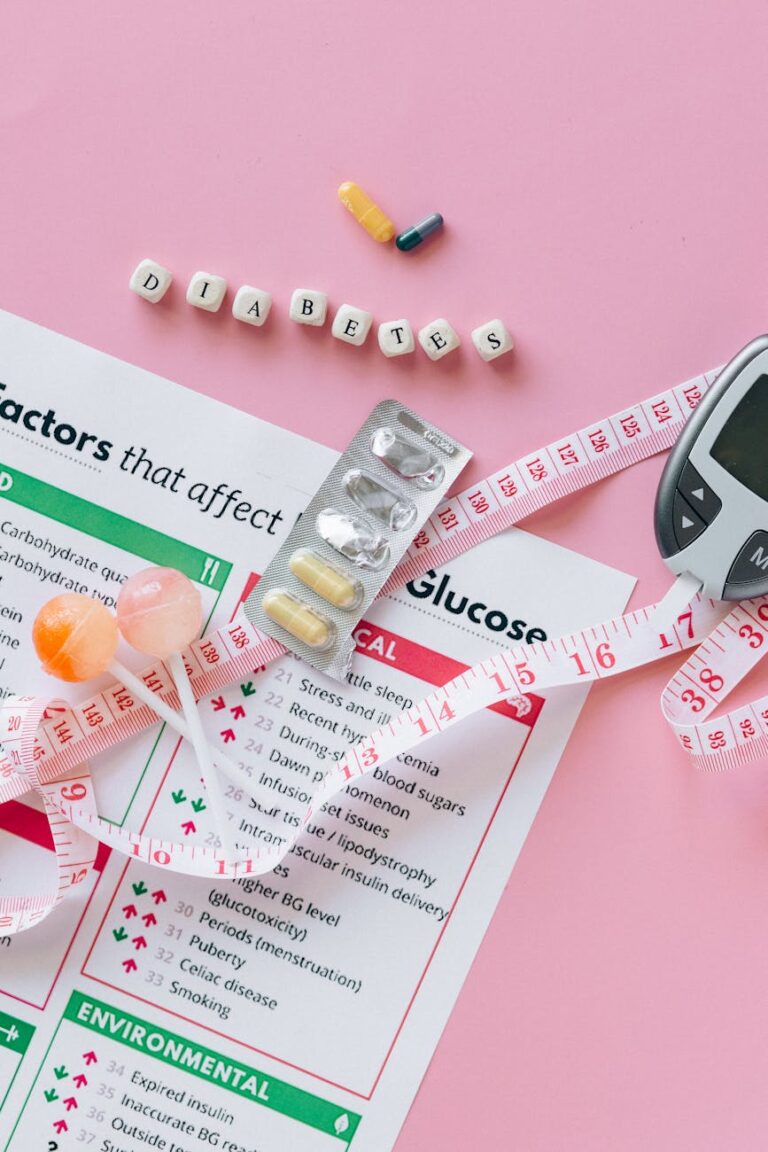
Prediabetes affects millions of Americans, and many people do not realize they have it until routine lab work reveals elevated blood sugar. The good news is that prediabetes is often reversible with practical lifestyle changes. In this guide, you will learn common early signs, major risk factors in the U.S., and a step-by-step plan to lower your A1C and reduce your risk of type 2 diabetes.
What Is Prediabetes?
Prediabetes means blood glucose levels are higher than normal but not yet in the diabetes range. In the U.S., clinicians typically diagnose prediabetes using one or more of these lab markers:
- A1C: 5.7% to 6.4%
- Fasting plasma glucose: 100 to 125 mg/dL
- 2-hour oral glucose tolerance test: 140 to 199 mg/dL
Without intervention, prediabetes can progress to type 2 diabetes, but early action can dramatically improve outcomes.
9 Early Signs of Prediabetes
Many people have no obvious symptoms. Still, these warning signs can appear:
- Increased thirst throughout the day
- Frequent urination, especially at night
- Fatigue after meals or in the afternoon
- Blurred vision that comes and goes
- Increased hunger despite regular meals
- Slow-healing cuts or skin irritation
- Dark, velvety skin patches (often on neck or underarms)
- Unexplained weight changes
- Frequent infections such as gum or skin infections
If you notice several of these signs, ask your clinician for blood testing rather than relying on symptoms alone.
Top U.S. Risk Factors You Should Know
Weight and Waist Circumference
Carrying excess weight, especially around the abdomen, strongly raises insulin resistance and blood sugar levels.
Physical Inactivity
Sitting most of the day and getting little structured exercise can reduce insulin sensitivity over time.
Family History and Age
Your risk rises if a parent or sibling has type 2 diabetes, and risk also increases after age 35.
History of Gestational Diabetes
People who had diabetes during pregnancy have a significantly higher lifetime risk of developing type 2 diabetes.
Sleep and Stress
Poor sleep quality, shift work, and chronic stress can worsen glucose regulation and increase cravings for high-carb foods.
How to Reverse Prediabetes: A Practical 12-Week Plan
1. Build a Plate That Stabilizes Blood Sugar
At most meals, use a simple plate method:
- Half non-starchy vegetables (broccoli, peppers, salad greens)
- One-quarter lean protein (fish, chicken, tofu, beans)
- One-quarter high-fiber carbs (brown rice, quinoa, sweet potato)
Pair carbohydrates with protein or healthy fat to reduce post-meal glucose spikes.
2. Walk After Meals
A 10- to 20-minute walk after lunch or dinner helps muscles use glucose more efficiently and can improve post-meal readings.
3. Aim for 150 Minutes of Weekly Activity
Target at least 150 minutes of moderate activity per week, plus two days of strength training. Start small and add consistency before intensity.
4. Reduce Sugary Drinks First
Replacing soda, sweet tea, juice, and energy drinks with water or unsweetened options is often the fastest high-impact change.
5. Prioritize Sleep
Try for 7 to 9 hours nightly. Better sleep can improve insulin sensitivity and appetite regulation.
6. Track Key Numbers
Monitor weight trend, waist size, and repeat A1C at the interval your clinician recommends (often about every 3 months).
Best Foods for Prediabetes in Everyday U.S. Grocery Stores
- Leafy greens, broccoli, cauliflower, bell peppers
- Berries, apples, citrus (portion-aware)
- Greek yogurt, eggs, cottage cheese
- Salmon, tuna, chicken breast, turkey
- Beans, lentils, chickpeas
- Oats, quinoa, brown rice, whole-grain bread
- Nuts, seeds, olive oil, avocado
Focus on fiber, protein, and minimally processed foods most of the time, not perfection at every meal.
When to Talk to Your Doctor
Schedule follow-up promptly if your fasting glucose or A1C is rising, if symptoms are worsening, or if lifestyle changes are hard to sustain. A personalized plan may include medical nutrition therapy, a structured prevention program, or medication when appropriate.
Bottom Line
Prediabetes is common in the U.S., but it does not have to progress. Early testing, better daily habits, and consistent follow-up can improve blood sugar and protect long-term health. Small actions repeated each day can create meaningful change within a few months.