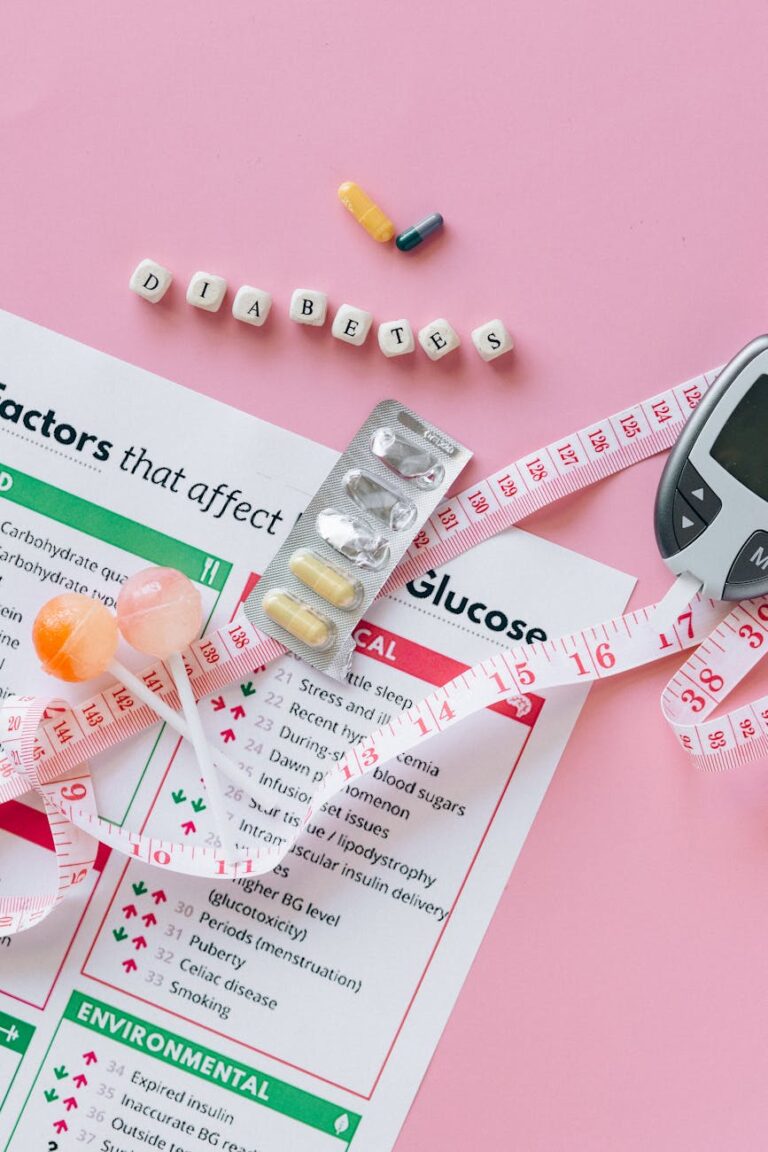
Why this diabetes tech update matters now
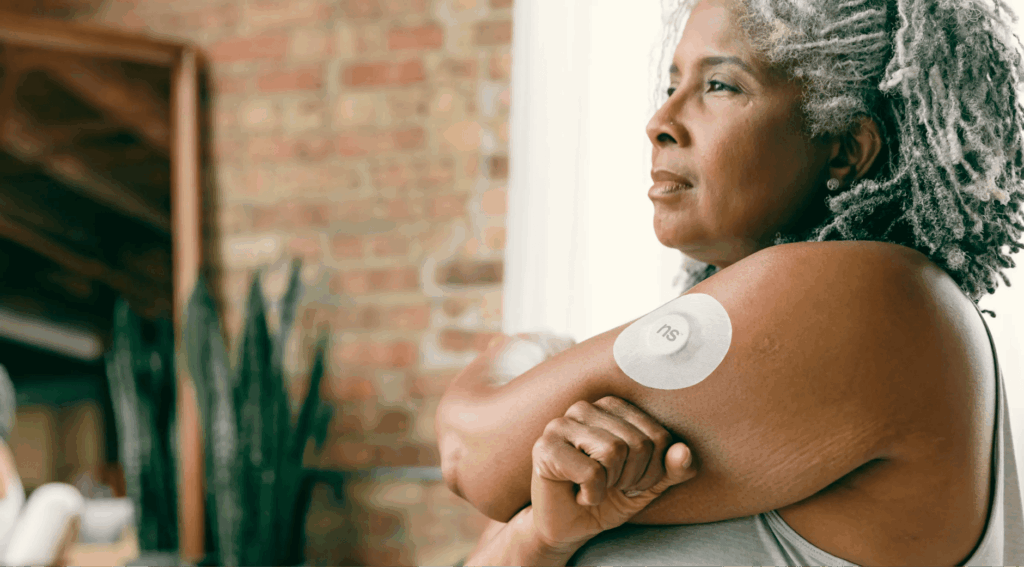
A new over-the-counter (OTC) continuous glucose monitor (CGM) option has entered the U.S. market, adding to a growing category of wearable glucose tools designed for adults who want more day-to-day insight into glucose patterns. Unlike traditional prescription CGMs, OTC models are typically marketed toward people without insulin use requirements, including adults with prediabetes, type 2 diabetes not using insulin, and health-focused consumers tracking lifestyle trends. This change reflects a broader shift in diabetes technology: more access, more data, and more consumer choice.
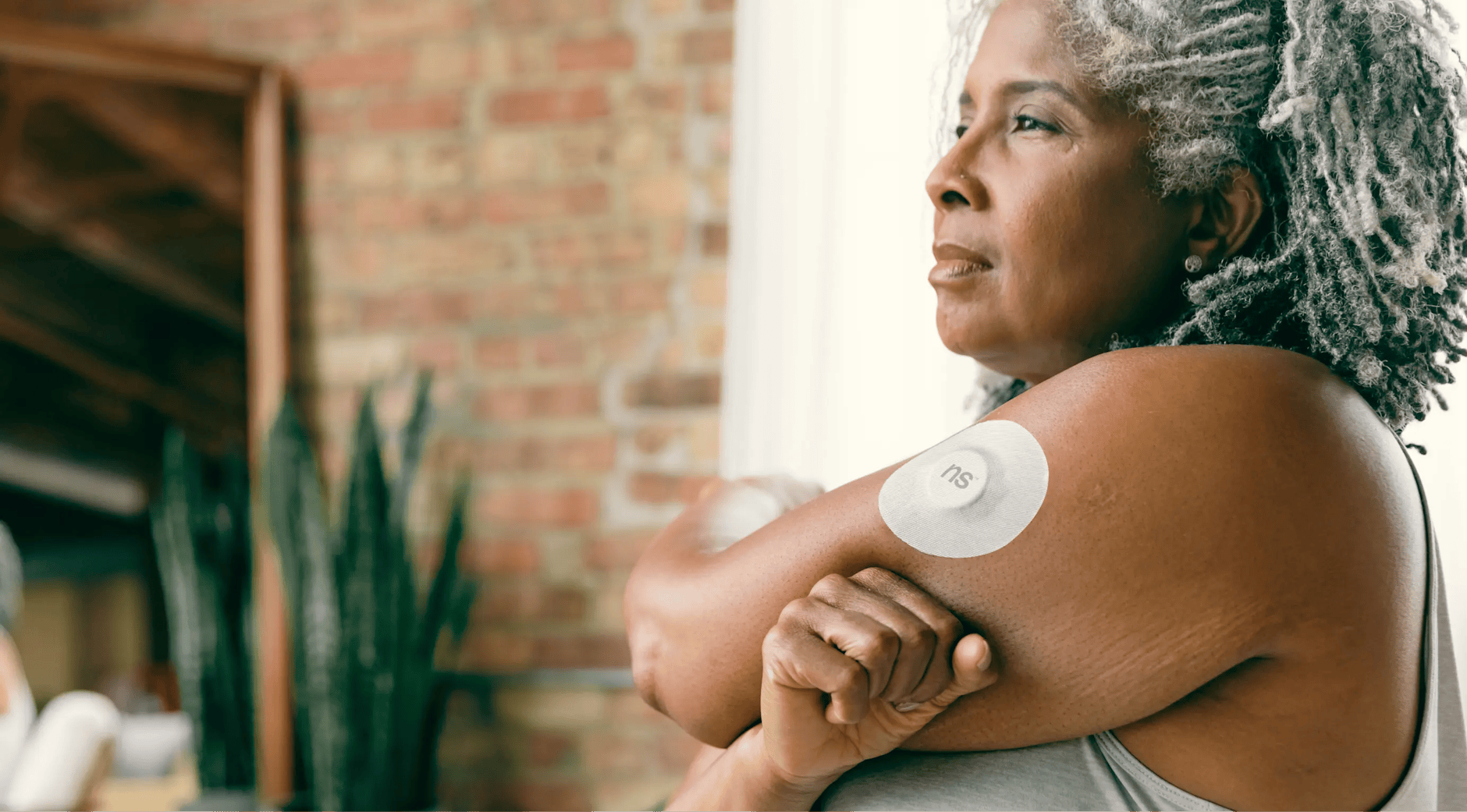
CGMs use a small sensor worn on the skin to estimate glucose levels throughout the day and night. For many users, trend information can be easier to interpret than occasional fingerstick checks alone. In practical terms, that can mean seeing how meals, sleep, stress, and physical activity influence glucose variability in real time. Still, data is only useful when interpreted in context. A single spike or dip does not define overall health, and app dashboards cannot replace individualized clinical guidance.
How to use OTC CGM data safely and realistically
If you are considering an OTC CGM, start with clear expectations: these devices are information tools, not diagnosis tools, and they are not a substitute for routine medical care. They may help you notice patterns, plan questions for appointments, and build awareness of daily habits. They are not designed to guarantee specific health outcomes.
- Check device instructions for wear time, calibration steps, and app compatibility.
- Track patterns over days and weeks instead of reacting to every single reading.
- Pair glucose trends with notes on meals, sleep, activity, and stress to spot practical themes.
- Use caution before making major diet, exercise, or medication changes based only on app data.
- Discuss readings with a clinician, especially if numbers seem unexpected or symptoms do not match.
For people already using glucose-lowering medications, professional input is especially important. Medication timing, dose adjustments, and hypoglycemia risk should be reviewed with a licensed clinician before changes are made.
As access to diabetes wearables expands, the biggest opportunity is not chasing perfect graphs—it is building informed, sustainable habits with support from qualified healthcare professionals. If you are curious about whether an OTC CGM fits your situation, bring your questions and your data to a primary care clinician or diabetes specialist for a personalized plan.