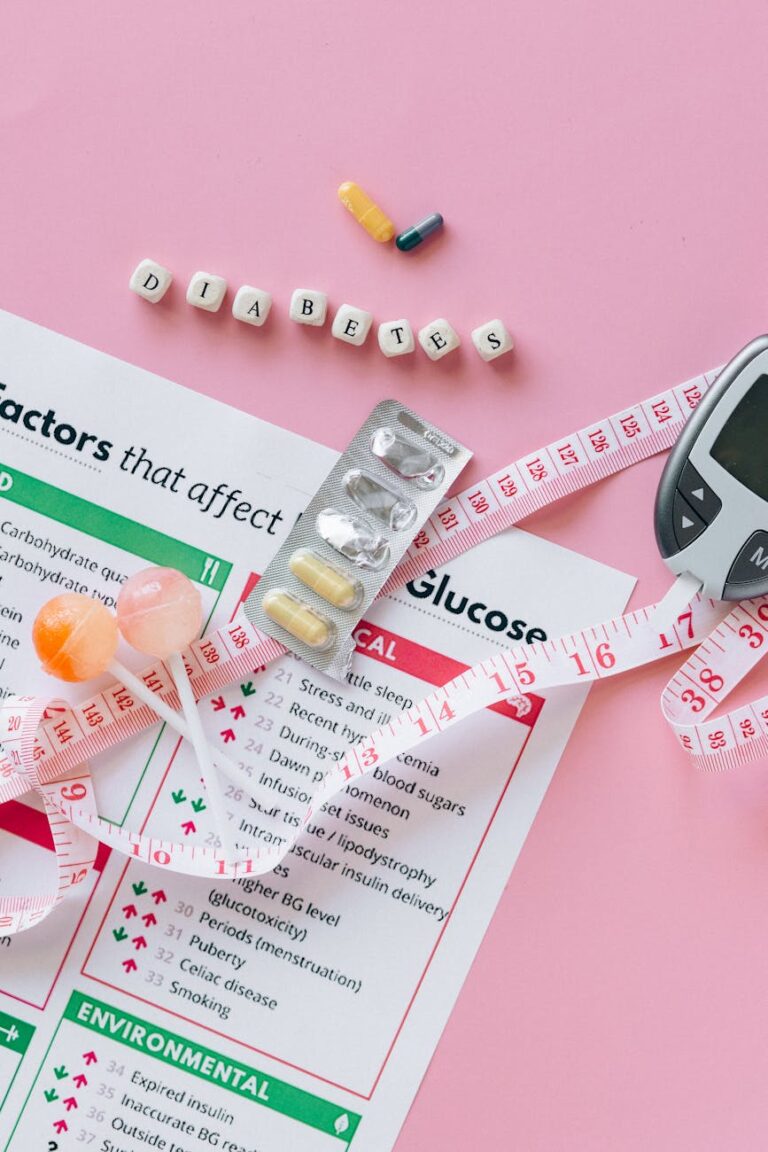
Why this diabetes news matters in the U.S.
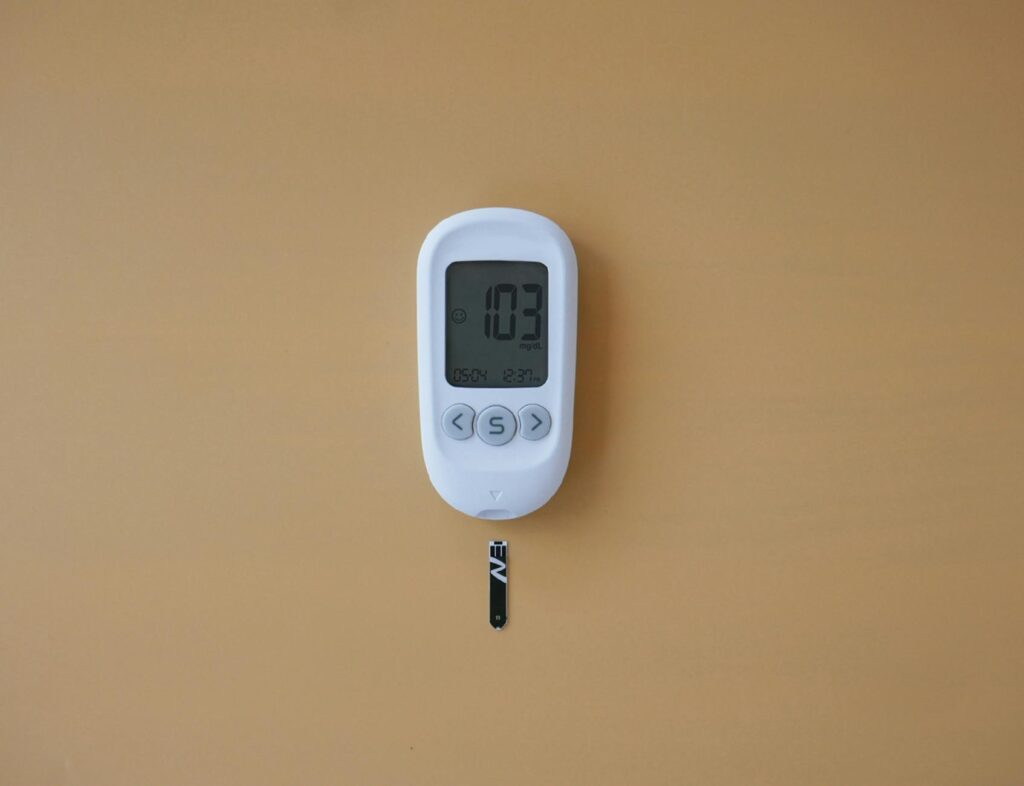
Access to diabetes technology continues to grow across the United States, and recent federal action to broaden availability of continuous glucose monitor (CGM) systems is drawing attention from patients, clinicians, and caregivers. CGMs use a small sensor worn on the body to provide near-real-time glucose readings, trends, and alerts. For many people, this can make daily diabetes management more informed and less reactive. As coverage policies and product options evolve, U.S. consumers are seeing more pathways to discuss CGM use with their care teams.
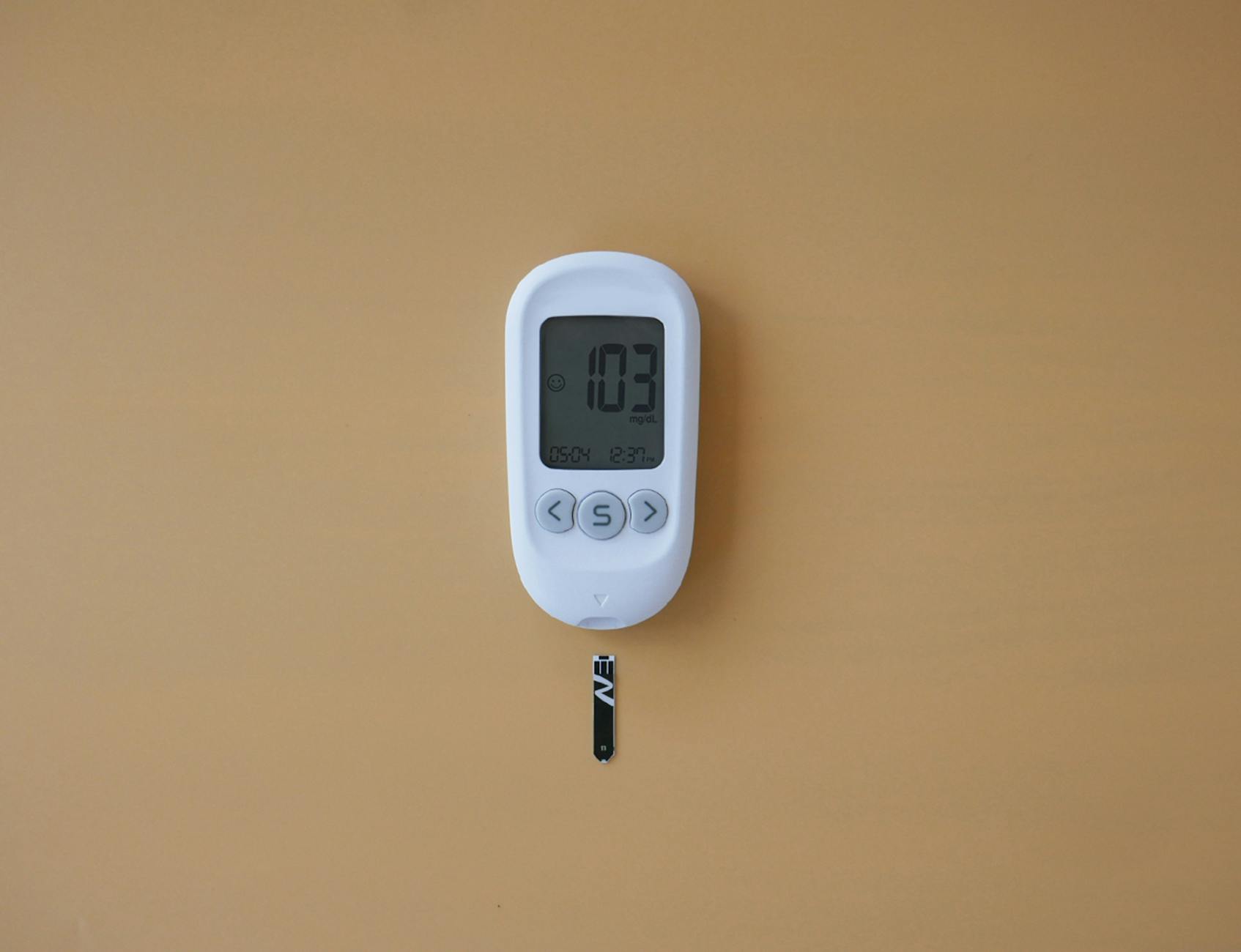
In practical terms, wider access can mean more choices in device brands, pharmacies, and insurance pathways. It can also mean more questions about who is a good candidate, how to interpret trend data, and how CGM fits into a complete diabetes care plan. These decisions are personal and should be made with a licensed clinician who understands your history, medications, and goals.
What to consider before adopting a CGM
Even with expanding access, CGM is not one-size-fits-all. Device setup, app compatibility, alert thresholds, and sensor wear comfort all matter. People should also ask whether their current treatment plan includes medications that can increase the risk of low glucose, because that may affect how alerts and follow-up are managed.
- Ask which CGM model is appropriate for your diagnosis and treatment plan.
- Review insurance coverage, out-of-pocket costs, and refill logistics.
- Confirm how and when to verify readings if symptoms do not match the device data.
- Discuss data-sharing features with family members or caregivers if helpful.
- Set a follow-up schedule so trend reports can be reviewed and interpreted correctly.
As with any diabetes technology, results depend on consistent use, education, and ongoing support. A CGM can provide useful information, but it does not replace medical judgment, routine care, or individualized treatment decisions.
If you are considering a CGM or changing your diabetes routine, consult a clinician first—especially if you use glucose-lowering medications such as insulin or sulfonylureas. Your care team can help you evaluate risks, training needs, and next steps that are appropriate for you.
For readers following diabetes news, this update signals a broader shift toward technology-enabled care in the U.S. healthcare system. The key takeaway is simple: more access may create more opportunity, but safe use still begins with professional guidance and a personalized plan.