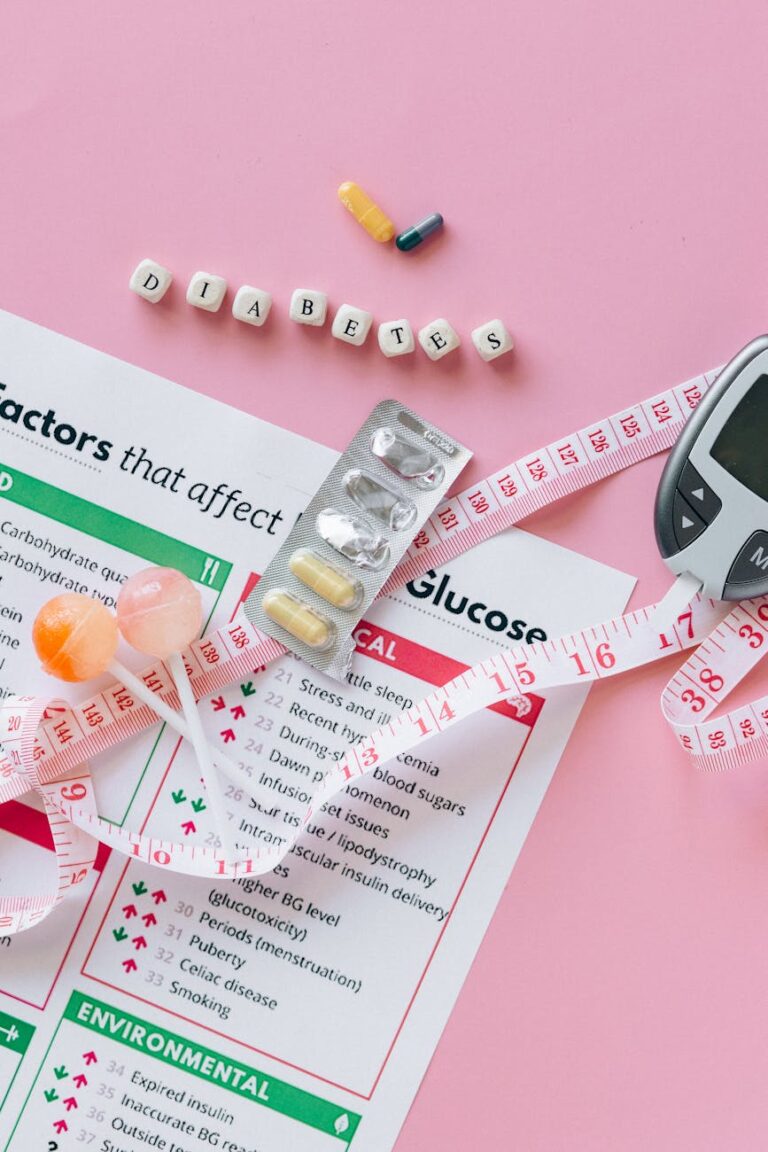
Seeing a higher glucose reading first thing in the morning can feel confusing, especially if you didn’t eat overnight. For many people with diabetes in the U.S., this pattern is caused by the dawn phenomenon—a natural early-morning hormone surge that can raise blood sugar before breakfast. Understanding why it happens and what to do about it can make fasting numbers easier to manage.

What Is the Dawn Phenomenon?
The dawn phenomenon is a rise in blood glucose that typically happens between about 3 a.m. and 8 a.m. During these hours, your body releases hormones such as cortisol, growth hormone, and glucagon to help you wake up and start the day. These hormones signal the liver to release more glucose into the bloodstream.
In people without diabetes, the pancreas usually releases enough insulin to keep this rise in check. In people with type 1 diabetes, type 2 diabetes, or insulin resistance, that balancing response may be limited, so morning glucose can run higher.
Dawn Phenomenon vs. Other Morning Highs
Not the same as a bedtime snack spike
If blood sugar is high after waking, food from late-night snacking may be part of the picture. But dawn phenomenon can happen even when you have not eaten for hours.
What about the Somogyi effect?
The Somogyi effect is a less common theory suggesting rebound high blood sugar after overnight low blood sugar. Some people still use the term, but many clinicians focus first on dawn phenomenon, medication timing, and evening habits when troubleshooting morning highs.
Common Signs You May Have Dawn Phenomenon
- Blood sugar is near target at bedtime but elevated on waking.
- Readings trend upward in the early morning on a CGM graph.
- The pattern repeats on multiple days, even with similar dinners.
How to Confirm the Pattern
To spot a true dawn pattern, collect a few nights of data:
- Check glucose at bedtime, overnight (or review CGM), and at wake-up.
- Track dinner time, carb amount, physical activity, and sleep quality.
- Look for consistent rises before breakfast rather than random spikes.
A clear pattern helps you and your diabetes care team choose a targeted fix instead of guessing.
Practical Ways to Lower Morning Blood Sugar
1. Adjust dinner timing and composition
Large, high-carb dinners late at night can amplify morning glucose. Earlier dinners with balanced protein, fiber, and healthy fats may help flatten overnight trends.
2. Review evening snack choices
If you need a bedtime snack, keep portions moderate and consider options with protein and fiber rather than refined carbs.
3. Add light evening movement
A short walk after dinner can improve insulin sensitivity and reduce overnight glucose release from the liver.
4. Talk with your clinician about medication timing
For some people, the issue is not the medication itself but when it is taken. Basal insulin timing, dose adjustments, or medication schedule changes can make a meaningful difference.
5. Prioritize sleep and stress management
Poor sleep and high stress can raise cortisol, which may worsen morning highs. Better sleep routines and stress-lowering habits can support steadier fasting readings.
When to Recheck Your Plan
If fasting glucose stays above your target for more than 1 to 2 weeks despite lifestyle changes, it may be time to revisit your treatment plan. Bring glucose logs or CGM screenshots to your appointment so decisions can be based on real patterns.
Bottom Line
The dawn phenomenon is common, frustrating, and manageable. With pattern tracking, small evening habit changes, and the right medication timing, many people can bring morning blood sugar closer to target and start the day with more confidence.