Why this diabetes news matters in 2026
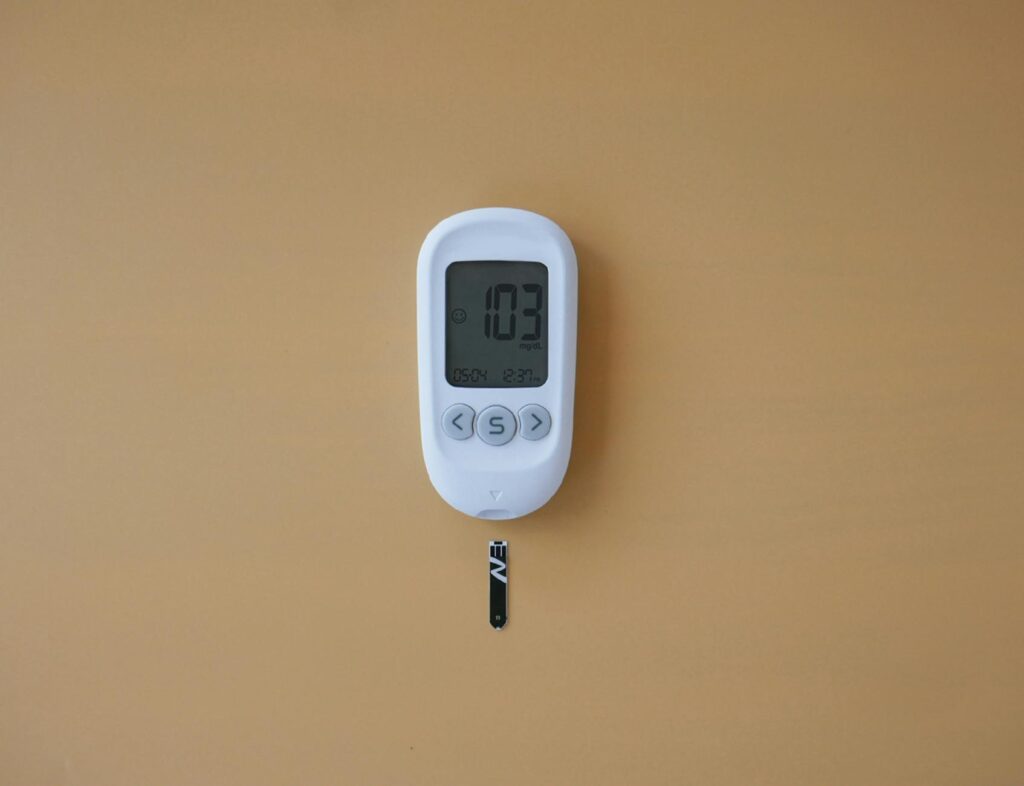
Continuous glucose monitors (CGMs) are becoming easier to access in the United States, and that is a major diabetes news story for 2026. Recent federal actions and market launches have increased attention on over-the-counter and prescription-light pathways for glucose tracking technology. For people living with diabetes, prediabetes, or insulin resistance, this shift could make it simpler to discuss real-time glucose patterns with a healthcare team. It may also help family caregivers better understand day-to-day trends, including how meals, activity, stress, and sleep relate to glucose variability.
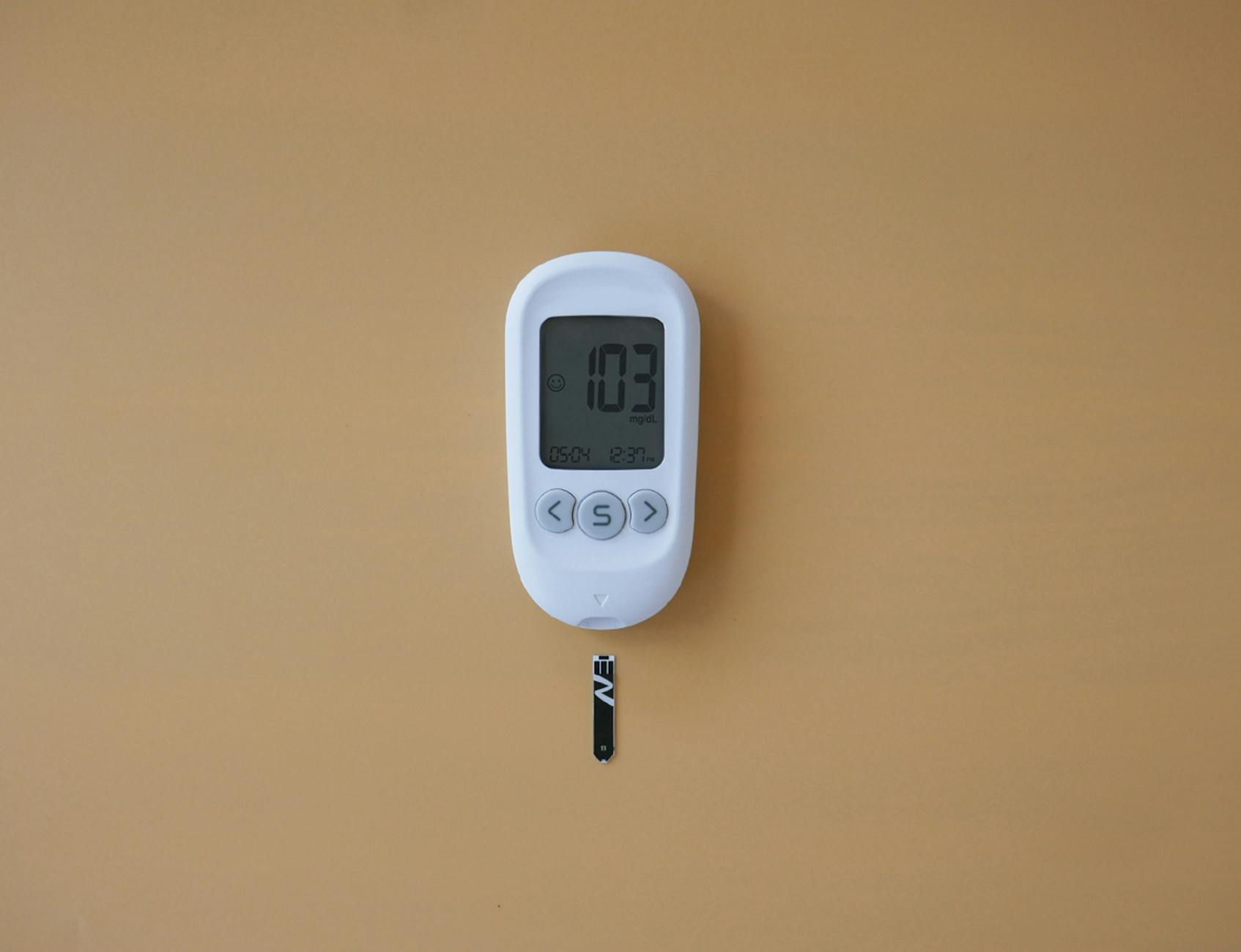
That said, easier access does not automatically mean easier decision-making. CGM readings can be useful, but numbers without context can be confusing. Sensor lag, placement issues, hydration status, and everyday variability can all affect interpretation. The best use of CGM data usually happens when people combine app insights with personalized clinical guidance.
What to know before buying or using a CGM
If you are considering a CGM this year, start with practical questions: Is the device FDA-cleared for your intended use? How often must it be replaced? What is the total monthly cost, including sensors and app features? Does your insurance plan cover any part of it? Also check alert settings, data-sharing options, and compatibility with your phone.
- Use trends, not single readings, to guide conversations with your care team.
- Track meals, medications, and exercise so data has real-life context.
- Set realistic expectations: wearable data supports awareness, not perfection.
- Review sensor instructions carefully to reduce false alarms and gaps.
For people already managing diabetes medications, especially insulin or other glucose-lowering drugs, professional guidance is essential before changing routines. Do not adjust doses based only on app notifications or one day of readings. Consult a clinician, especially if you are on glucose-lowering meds, to make safe and individualized decisions.
The bottom line: wider CGM access is an important public health development and could expand diabetes self-awareness across the U.S. Still, technology works best when paired with education, follow-up, and person-centered care.