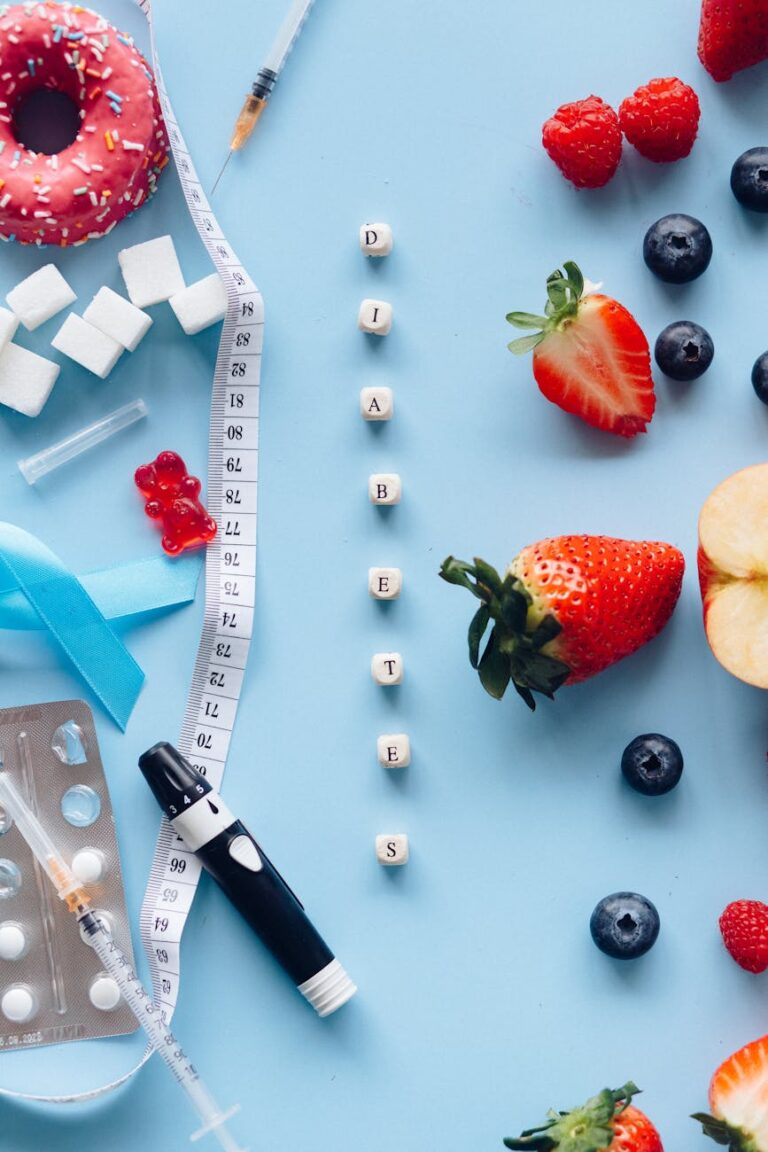
Waking up with high or low blood sugar can make mornings harder than they need to be. For many Americans living with diabetes, a small, balanced bedtime snack can help support steadier overnight glucose and better sleep. The key is choosing foods with fiber, protein, or healthy fat—and avoiding large portions of fast-digesting carbs right before bed.
Why bedtime snacks can matter for diabetes
Overnight blood sugar is influenced by dinner timing, medication or insulin, activity level, stress, and what you eat before sleep. Some people experience dawn phenomenon (an early-morning rise in glucose), while others are more prone to nighttime lows. A strategic snack may help by slowing digestion and giving your body a more gradual source of energy during the night.
Who may benefit most
- People who wake up hungry or with morning glucose swings
- Those using insulin or medications that can increase hypoglycemia risk
- Anyone eating an early dinner and going to bed several hours later
What makes a good bedtime snack?
A diabetes-friendly nighttime snack is usually small and balanced. Aim for a combo of protein + fiber, with moderate carbohydrates if needed. In many cases, roughly 10–20 grams of carbs paired with protein works better than carb-only snacks like crackers or sweets.
- Protein: Greek yogurt, cottage cheese, eggs, nuts, turkey, tofu
- Fiber: berries, chia seeds, veggies, whole grains, legumes
- Healthy fats: nut butter, avocado, walnuts, pumpkin seeds
12 smart bedtime snack ideas
1) Plain Greek yogurt + cinnamon + a few berries
High in protein and lower in sugar than flavored yogurt. Berries add fiber and flavor without a big glucose spike.
2) Apple slices with natural peanut butter
Pairing fruit with fat and protein slows absorption and improves staying power overnight.
3) Cottage cheese with cucumber or cherry tomatoes
A savory, high-protein option that is low in carbohydrates and very filling.
4) Small handful of almonds and walnuts
Great for people who need a very low-carb snack. Keep portions controlled since calories add up quickly.
5) Whole-grain crackers with turkey slices
A practical option if you prefer a light mini-meal. Choose high-fiber crackers and lean protein.
6) Hard-boiled egg + a few whole-grain crackers
Easy to prep ahead and portion. Protein from egg helps reduce overnight hunger.
7) Chia pudding made with unsweetened milk
Chia adds fiber and healthy fat, helping create a slower glucose response.
8) Edamame (lightly salted)
Plant protein plus fiber makes this a strong evening choice for many people with type 2 diabetes.
9) Celery sticks with almond butter
Crunchy, low-carb, and satisfying. Good for people who want minimal carbs before bed.
10) Half a pear with cheese
Fruit plus protein/fat can be gentler on blood sugar than fruit alone.
11) Mini tuna salad lettuce wraps
Very low in carbs and high in protein; useful when morning readings trend high.
12) Small oatmeal portion with chia and nuts
If you tolerate carbs well, a modest serving of oats with fiber and fat can help avoid nighttime lows.
Snacks to limit at night
- Sugary cereal, pastries, cookies, and candy
- Large portions of chips or white crackers
- Sweetened yogurt and high-sugar granola
- Fruit juice or regular soda
These foods digest quickly and may increase overnight highs or trigger hunger again later.
Portion tips for better overnight glucose
- Keep snacks around 150–250 calories unless your care plan says otherwise
- Measure portions instead of eating directly from large packages
- Try to snack 1–2 hours before sleep, not right at lights-out
- Track your morning glucose for 1–2 weeks to see which snacks work best
How to personalize your bedtime routine
No single snack works for everyone. Your ideal choice depends on your medications, glucose patterns, activity, and dinner timing. Use your CGM or fasting glucose readings to compare patterns and make one change at a time. Over time, a consistent evening routine can improve both blood sugar stability and sleep quality.
Bottom line
The best bedtime snacks for people with diabetes are small, balanced, and easy to repeat. Focus on protein, fiber, and portion control to support steadier overnight blood sugar. Start with one or two options from this list, monitor your morning numbers, and build a routine you can stick with.