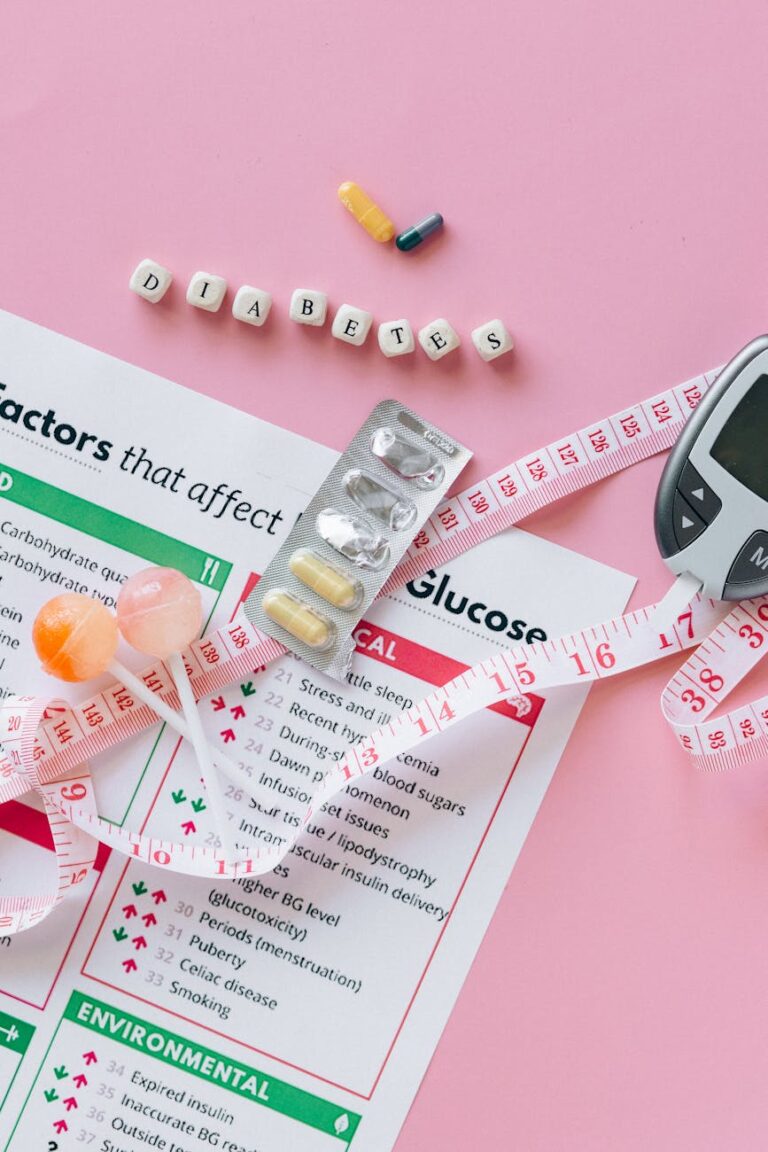
Why this diabetes news matters in 2026
A newly cleared over-the-counter continuous glucose monitor (CGM) is making headlines across the U.S., and many people are wondering what this could mean for diabetes awareness and day-to-day decision-making. Unlike prescription-only systems, this category is designed to be more accessible for adults who want to better understand glucose patterns, including those with prediabetes risk factors, family history, or general metabolic concerns. For people already living with diabetes, this development may also influence conversations about monitoring options and when different devices are appropriate.
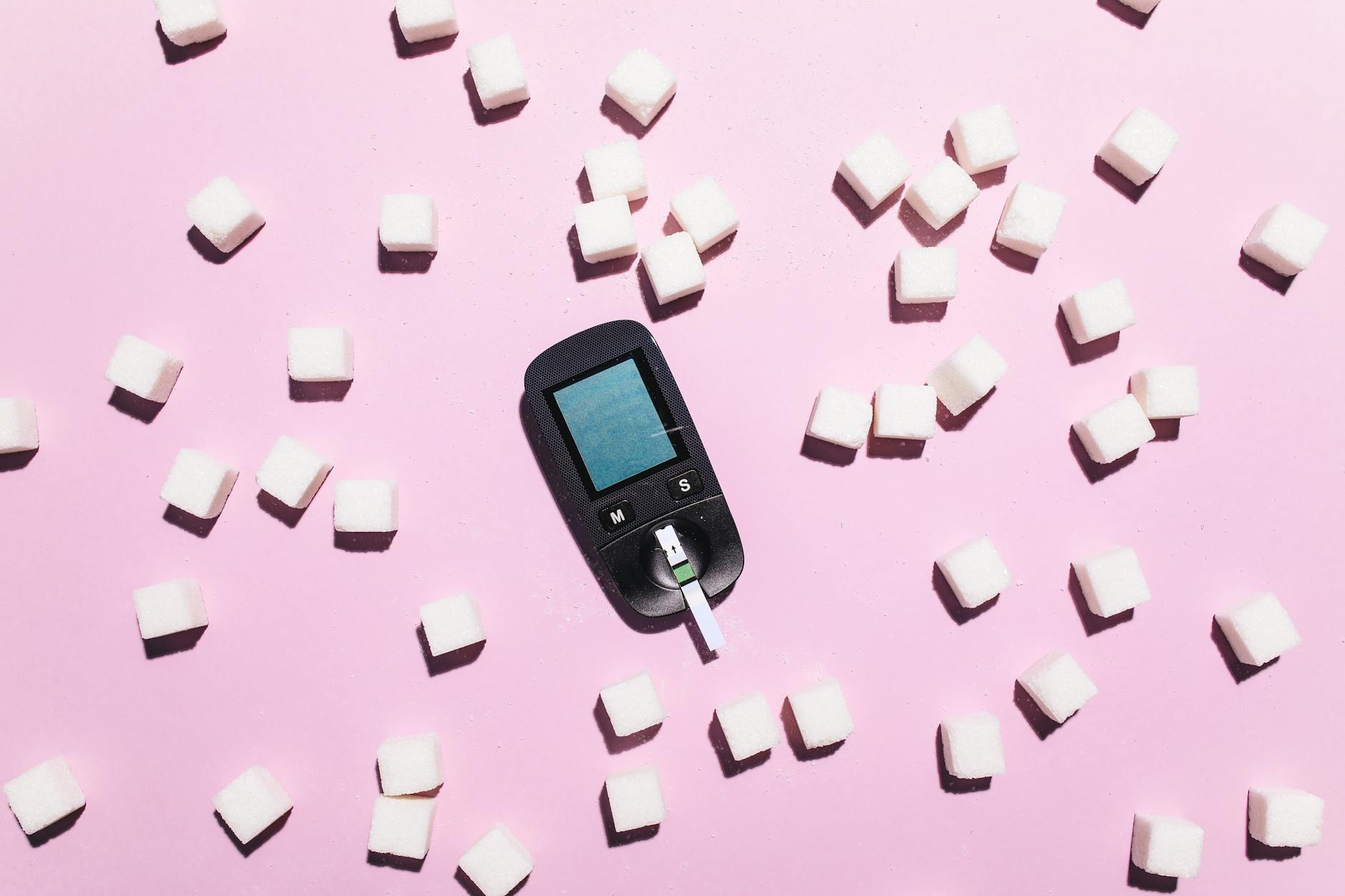
CGMs work by measuring glucose in interstitial fluid through a small sensor worn on the body, then sending data to a phone app or receiver. Instead of a single snapshot, users can view trends over time, such as how meals, activity, sleep, stress, and routines may affect glucose movement during the day. This can support more informed discussions with care teams and help users ask better questions about habits and timing.
What to know before you try a non-prescription CGM
Over-the-counter availability does not mean one device fits every person or every diabetes care plan. If you currently use insulin or other glucose-lowering medications, treatment changes should never be based on a device alone. Data interpretation can be tricky, and normal day-to-day variation is expected. Numbers should be reviewed in context, especially when symptoms do not match readings.
- Read the product labeling to understand who the device is intended for.
- Check app compatibility, sensor wear time, and replacement costs.
- Learn alert settings so alarms are useful rather than overwhelming.
- Track patterns across several days rather than reacting to one reading.
- Bring reports to appointments for clinician-guided interpretation.
Experts say this technology can be a useful educational tool, particularly for spotting personal glucose patterns after meals and physical activity. Still, it should be viewed as one part of a larger health picture that includes nutrition quality, movement, sleep, stress, and regular preventive care.
Before starting or changing any diabetes routine, consult a clinician, especially if you take glucose-lowering medications. A licensed professional can help you decide whether over-the-counter monitoring fits your goals, safety needs, and current treatment plan.