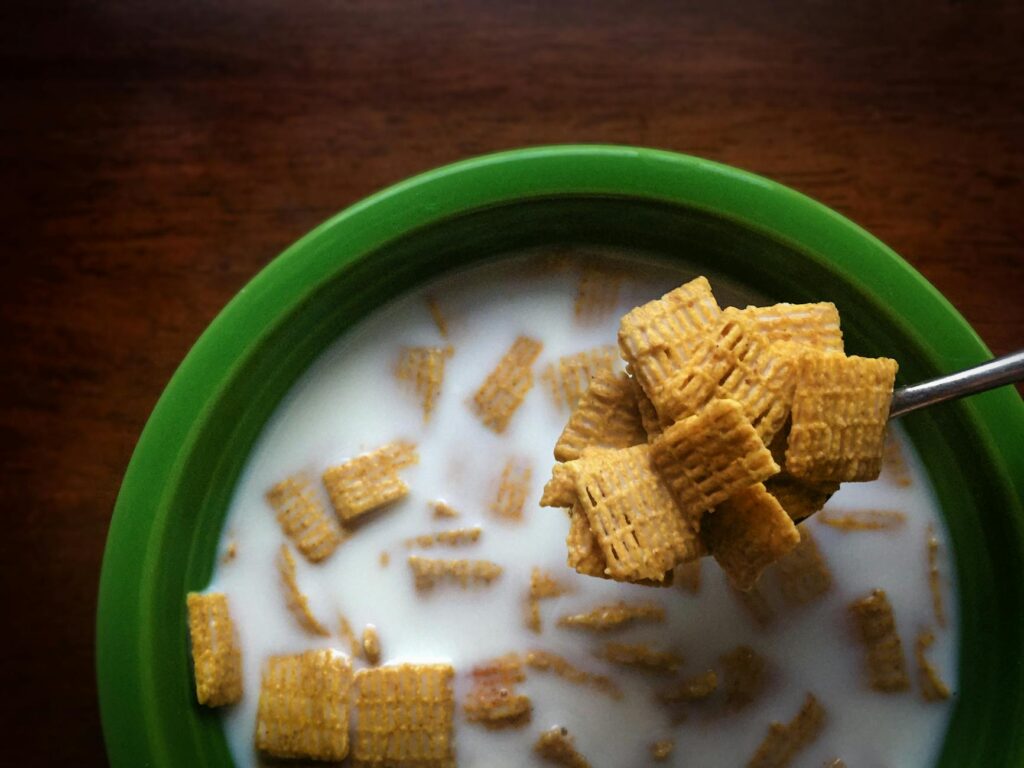
Breakfast cereal is quick, affordable, and familiar in many US households—but for people managing diabetes, the wrong box can send blood sugar soaring before the day even starts. The good news is that cereal can still fit your routine if you know what to look for on the Nutrition Facts label and ingredient list.
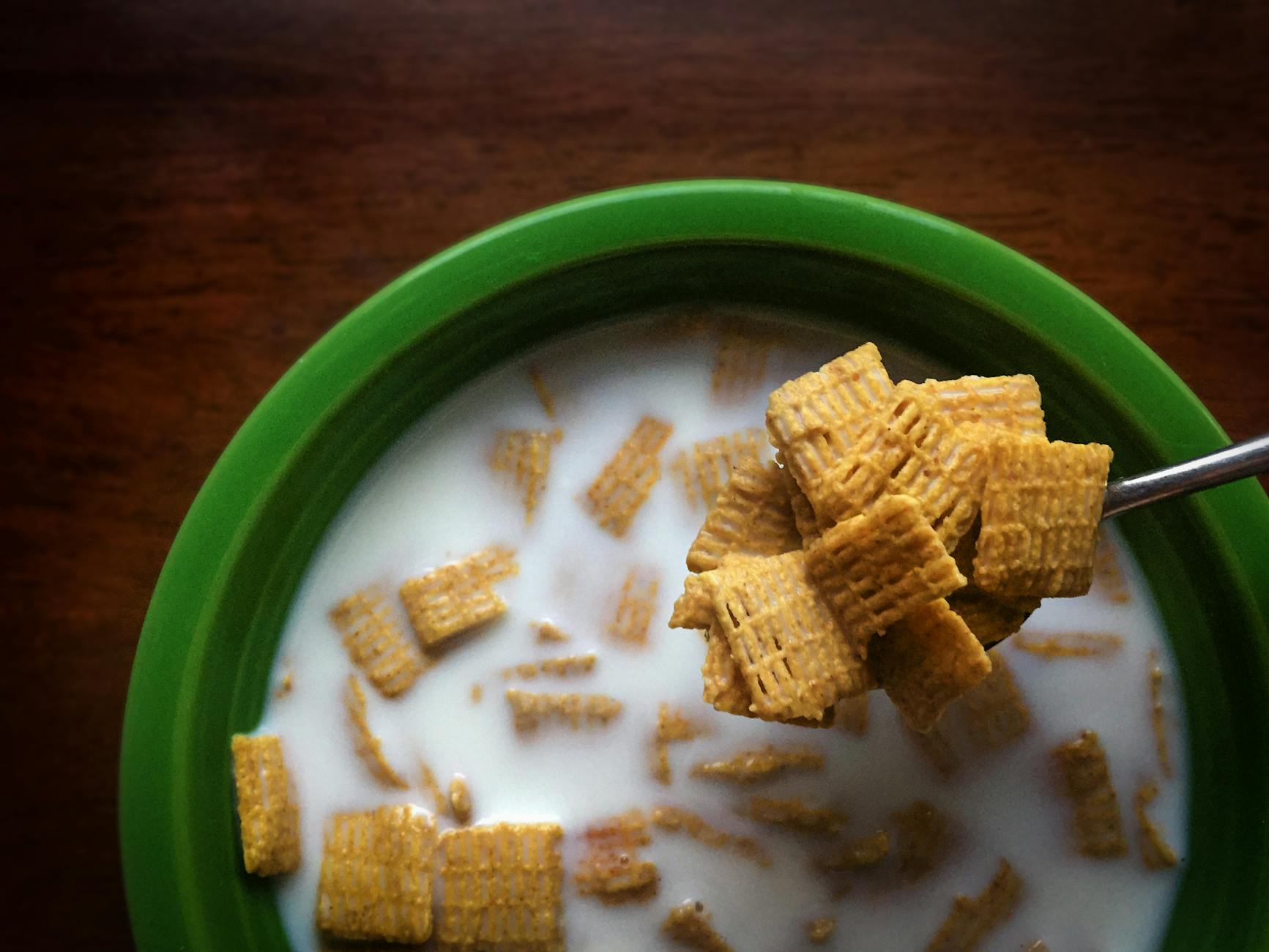
What makes one cereal better than another for diabetes?
When comparing cereals, focus on four numbers per serving: total carbohydrate, fiber, added sugar, and protein. In general, a better choice has lower added sugar, higher fiber, and enough protein (from the cereal itself or what you pair with it) to help you feel full longer.
A practical label checklist
- Fiber: Aim for at least 3 grams per serving; 5 grams or more is even better.
- Added sugar: Try to keep it in the single digits per serving.
- Total carbs: Compare this to your personal carb target for breakfast.
- Protein: Higher protein can help blunt hunger and support steadier glucose.
- Serving size: Many bowls contain more than one listed serving—measure at first.
Best cereal styles to choose more often
You do not need a perfect cereal; you need a better pattern. These categories are usually easier to fit into blood sugar goals.
1) Unsweetened whole-grain cereals
Look for cereals where whole grains (like oats, whole wheat, or bran) appear first and sugar is not near the top of the ingredient list. These are often less sweet but more filling.
2) Bran-rich options
Bran cereals often provide more fiber, which can slow digestion and reduce sharp glucose rises after eating.
3) Plain oatmeal or unsweetened oat-based cereals
Plain oats give you control over sweetness. Add cinnamon, berries, or chopped nuts instead of flavored packets with added sugars.
4) High-fiber, lower-sugar cold cereals
Some modern “high-protein” or “keto-friendly” cereals can be useful, but check labels carefully—some are expensive, and flavor claims do not always mean better nutrition.
Worst cereal patterns to limit
Sugary kids’ cereals
These are often made with refined grains and high added sugar, which can lead to fast spikes and crashes.
“Honey-coated,” “frosted,” or dessert-style cereals
Even when marketed as whole grain, sweet coatings can push sugar and carbs up quickly.
Granolas with heavy sweeteners
Granola can look healthy but may be dense in carbs, sugar, and calories in small portions. Check serving size closely.
Instant flavored hot cereals
Single-serve flavored packets are convenient but often include significant added sugar compared with plain versions.
How to build a blood-sugar-friendlier cereal bowl
- Use protein: Add Greek yogurt, cottage cheese on the side, or a boiled egg.
- Choose milk wisely: Unsweetened dairy or unsweetened soy milk can work well.
- Add healthy fats: Sprinkle nuts or seeds for staying power.
- Add fruit strategically: Berries are usually a lower-sugar option than dried fruit.
- Measure portions: Start with a measuring cup until your eye is trained.
Sample smart cereal combinations
Option A: High-fiber flakes + protein
1 serving high-fiber unsweetened flakes, 3/4 cup milk, and a side of 1 hard-boiled egg.
Option B: Plain oatmeal bowl
1/2 cup dry rolled oats cooked, topped with chia seeds, cinnamon, and a small handful of blueberries.
Option C: Bran cereal parfait
A small serving of bran cereal layered with plain Greek yogurt and sliced strawberries.
Common shopping mistakes to avoid
- Choosing based on front-of-box claims instead of the Nutrition Facts panel.
- Ignoring added sugar because the cereal says “multigrain” or “natural.”
- Pouring oversized bowls that double or triple carb intake.
- Skipping protein at breakfast, then getting hungry soon after.
The bottom line
For diabetes management, cereal quality and portion size matter more than brand hype. Pick options with more fiber and less added sugar, pair them with protein, and keep servings realistic. A few label-reading habits can turn cereal from a blood sugar challenge into a workable, consistent breakfast choice.