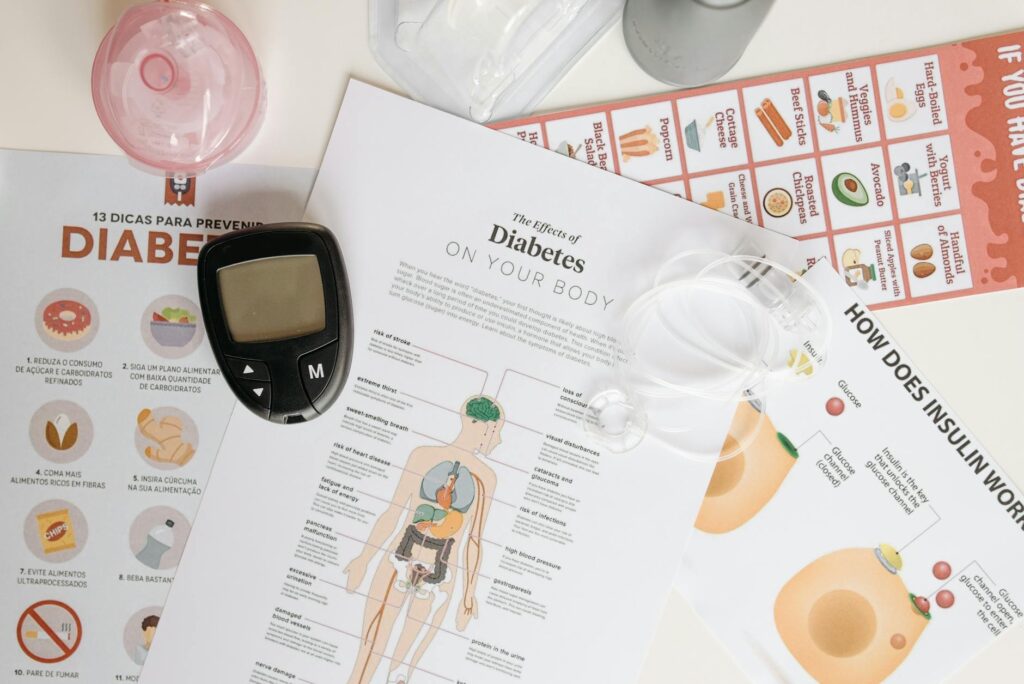
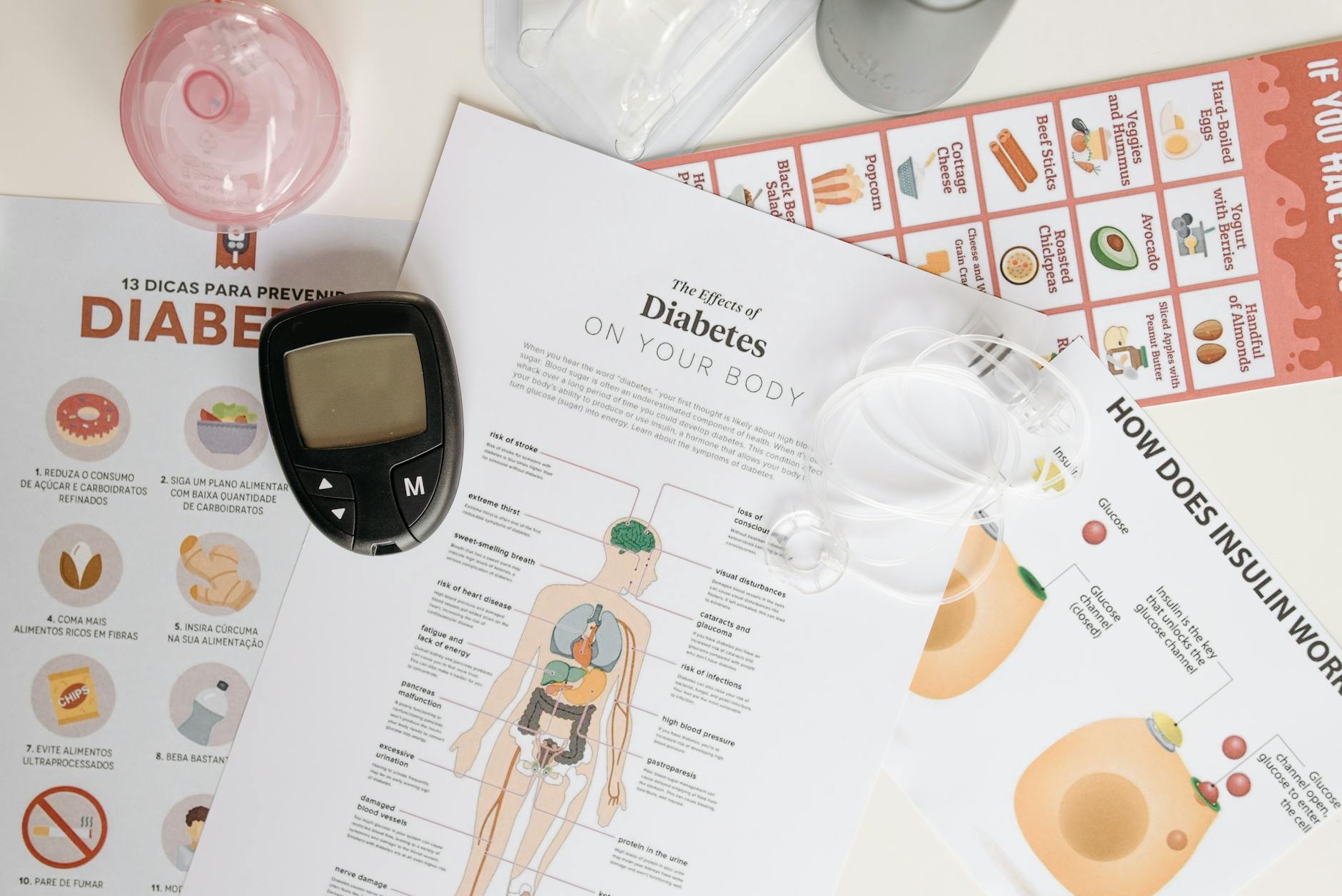
Resistant starch is getting fresh attention in diabetes news because it behaves differently from typical carbohydrates. Instead of being fully digested in the small intestine, resistant starch reaches the colon, where gut microbes ferment it. A newly discussed body of research in adults with prediabetes and type 2 diabetes suggests that replacing some rapidly digested starches with resistant starch may help smooth post-meal glucose patterns for some people. That does not make it a cure, and individual responses can vary widely based on medications, overall eating pattern, sleep, activity, and stress.
What is resistant starch?
Resistant starch is found naturally in foods like beans, lentils, green bananas, and some whole grains. It can also form when certain starchy foods are cooked and cooled, such as potatoes, rice, or pasta. Cooling changes the starch structure, making part of it less digestible. Food makers also add resistant starch ingredients to some products, but labels and serving sizes matter. Not all “high-fiber” items provide meaningful amounts, and some packaged foods still contain added sugars or refined flour.
How people are using it in real life
For many households, the practical approach is simple: swap part of a meal rather than overhaul everything at once. Examples include adding beans to soups, trying lentil-based side dishes, or using cooled-and-reheated rice in portion-aware meals. Pairing starch with protein, non-starchy vegetables, and healthy fats may further reduce big post-meal swings. Continuous glucose monitors can help some people identify personal patterns, but fingerstick checks and symptom awareness remain useful too.
- Start small to assess tolerance, since sudden fiber increases can cause bloating.
- Watch portions, because total carbohydrate amount still matters.
- Choose minimally processed foods most of the time.
- Review medication timing if your meal pattern changes.
Bottom line for readers
Resistant starch is a promising nutrition strategy worth discussing, not a guaranteed fix. The strongest benefit usually comes from combining food quality, movement, sleep, and medication adherence when prescribed. If you have diabetes or prediabetes, consult your clinician before making significant diet changes, especially if you use glucose-lowering medications, because your care plan or medication doses may need adjustment.